 ESP
Remember when you could spend a weekend doing yard work, moving furniture or playing basketball and barely feel it the next morning? If those activities now leave you a little more sore than they used to, you're not imagining things. As we get older, our bodies gradually lose muscle mass and strength, especially if we're not physically active. But here's the encouraging news: You can do something about it, and you don't have to become a bodybuilder. Muscle is about more than looking fit.
Strong muscles help you do everyday things, from carrying groceries and climbing stairs to lifting a suitcase into an overhead compartment. Muscle also plays an important role in how your body uses blood sugar, making strength training especially valuable as the risk of type 2 diabetes increases with age. And there's another benefit: Maintaining strength now can help preserve mobility and independence later in life.
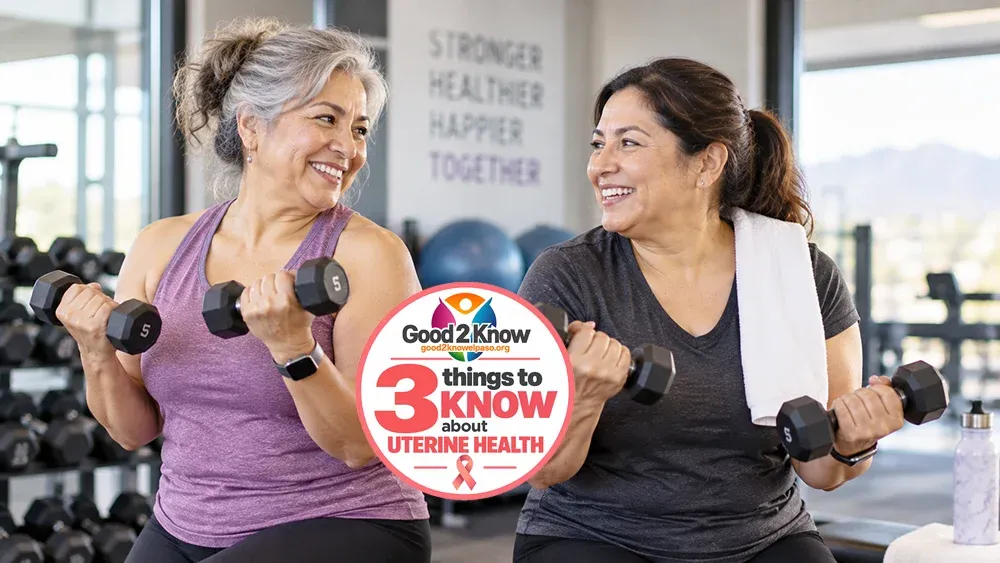
Strength training can be surprisingly simple. Your own body weight, a pair of inexpensive dumbbells or a resistance band can provide a useful workout. Try starting with a few basic movements:
• Sit down in a sturdy chair and stand back up several times. This works your legs and hips.
• Do push-ups against a wall or kitchen counter.
• Use resistance bands for gentle pulling exercises that strengthen your back and arms.
• Try standing heel raises while holding onto a counter for balance. Start with one set of eight to twelve comfortable repetitions.
As the movements become easier, gradually add repetitions or resistance. Twice a week is a good start. Health guidelines recommend muscle-strengthening activities at least two days a week, working the major muscle groups. You don't have to train for an hour. Even a short, well-planned routine can help you build consistency. Give the same muscles time to recover between challenging workouts. Rest is part of getting stronger.
Sources: cdc.gov, nia.nih.gov