 ESP
When you're juggling work, family and everything in between, convenience often determines what's for breakfast, lunch and dinner. That can mean skipping breakfast, grabbing fast food between appointments or eating a large meal late at night because it's the first chance you've had to sit down.
While an occasional drive-through meal isn't going to derail your health, consistently relying on highly processed foods, oversized portions and sugary drinks can contribute to weight gain and other health concerns.
The good news is that healthier eating doesn't have to mean complicated recipes, expensive ingredients or giving up your favorite foods.
Start with a few practical changes:
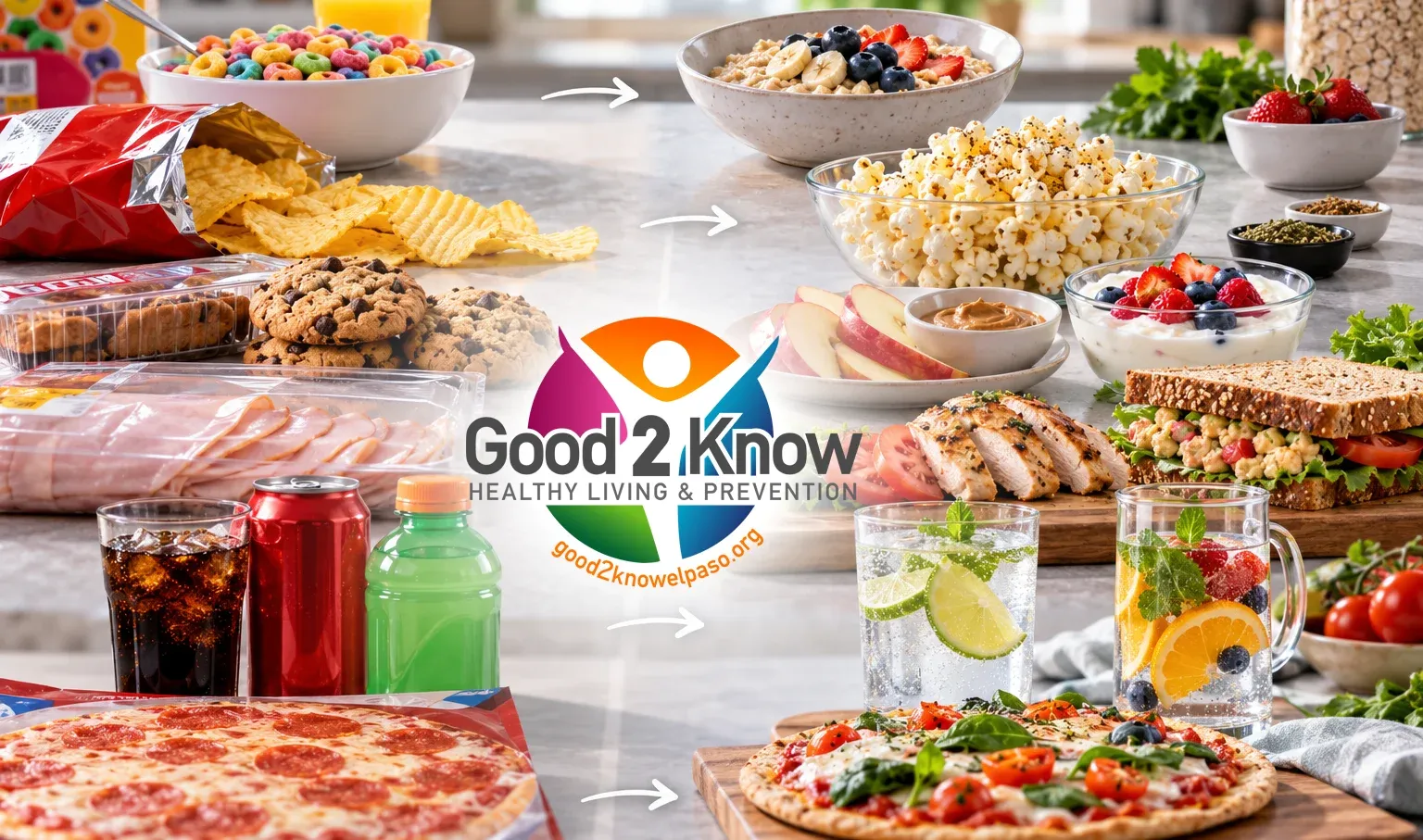
• Make breakfast easy. Plain yogurt with fruit, eggs, oatmeal or whole-grain toast with peanut butter can provide a satisfying start to the day without much preparation.
• Plan for lunch. Leftovers from dinner, a turkey sandwich on whole-grain bread or a bean-and-vegetable bowl can be more nutritious than another rushed fast-food meal.
• Keep healthy snacks available. Nuts, fruit, vegetables, hummus and yogurt can help when hunger strikes between meals.
• Think before you drink. Sugary sodas, energy drinks and specialty coffees can add substantial calories. Water, unsweetened tea or sparkling water are alternatives.
• Rethink the plate. Try filling half your plate with vegetables and fruit, one-quarter with lean protein and one-quarter with whole grains or other fiber-rich starches.
And remember, eating well doesn't mean abandoning familiar foods. Beans, grilled chicken, vegetables, avocado, salsa and corn tortillas can all be part of a balanced eating pattern.