 ESP
For some men, their 40s and 50s are among the most rewarding years of life. Careers may be more established. Families are growing or changing. Years of experience can bring confidence and perspective. But this stage of life can also come with some unexpected emotional challenges. Parents are getting older. Children may be leaving home. Work responsibilities can feel heavier.
And somewhere in the middle of it all, you may find yourself wondering what comes next. That doesn't necessarily mean you're having a midlife crisis. It may simply mean it's time to check in with yourself. Stress doesn't always look like stress. When we think about emotional stress, we often picture someone who looks worried or overwhelmed.
But stress can show up in other ways. Maybe you're more irritable than usual. You have trouble sleeping. You're less interested in activities you used to enjoy. Or you find yourself withdrawing from friends and family.
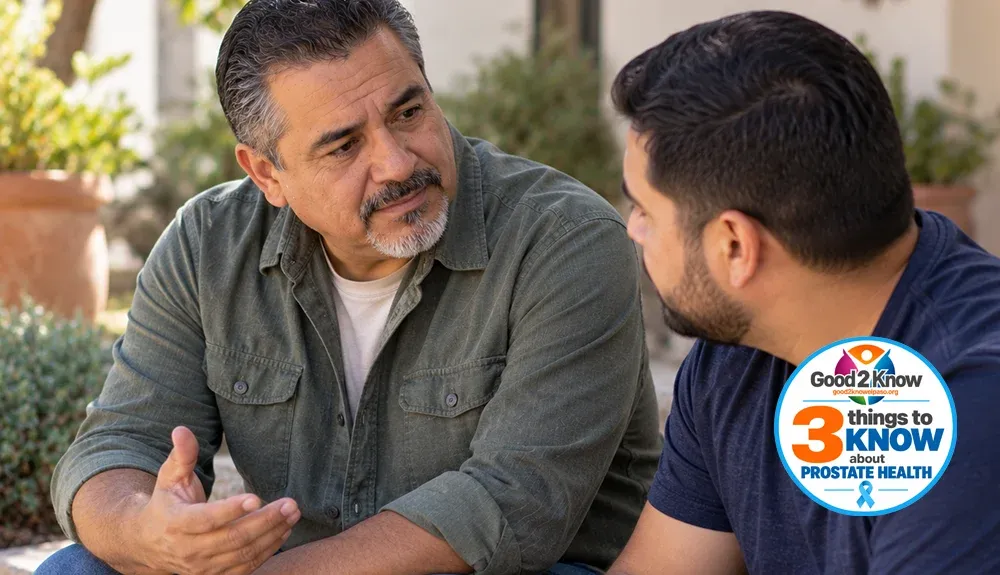
Friendships can become harder to maintain in midlife. Between work, family responsibilities and everyday obligations, weeks or months can pass without spending meaningful time with people outside your household. Yet social connections are an important part of emotional well-being. You don't need a huge circle of friends. A few people you trust and enjoy spending time with can make a difference. Make a standing lunch date, invite a friend to watch a game or simply pick up the phone.
You don't have to wait until things become overwhelming to ask for support. A little self-reflection can go a long way. Take a few minutes to ask yourself some simple questions. Am I getting enough rest? Am I spending time with people I care about? Do I still make time for things I enjoy? Is there something that's been bothering me that I haven't addressed? You don't need to solve everything today. Sometimes recognizing what needs attention is the first step toward making a positive change. The bottom-line: Midlife doesn't have to be a crisis, and it doesn't have to be a period of constant reinvention. It can simply be an opportunity to appreciate how far you've come, recognize what matters most and make adjustments that support your emotional health. Taking care of your mind is just as important as taking care of your body, at every age.
Sources: cdc.gov, nimh.nih.gov/