 ESP
ESPA long-term study found that women who closely followed a Mediterranean diet had a much lower risk of stroke. The strongest benefits were seen in women who ate more plant-based foods, fish, and olive oil while cutting back on red meat and saturated fats. Their risk dropped across all major stroke types, including bleeding strokes, which are less commonly studied. The findings suggest diet may be a powerful but overlooked factor in stroke prevention.
According to research published on February 4, 2026, in Neurology Open Access, a journal of the American Academy of Neurology there is a strong relationship between a Mediterranean diet and reduced stroke risk, though it does not show that the diet directly prevents strokes. Instead, it identifies an association between dietary habits and long-term health outcomes.
Researchers observed lower rates of stroke overall among women who most closely followed the Mediterranean diet. This included both ischemic strokes and hemorrhagic strokes. Ischemic strokes occur when blood flow to part of the brain is blocked and are the most common form of stroke. Hemorrhagic strokes happen when a blood vessel ruptures and causes bleeding in the brain.
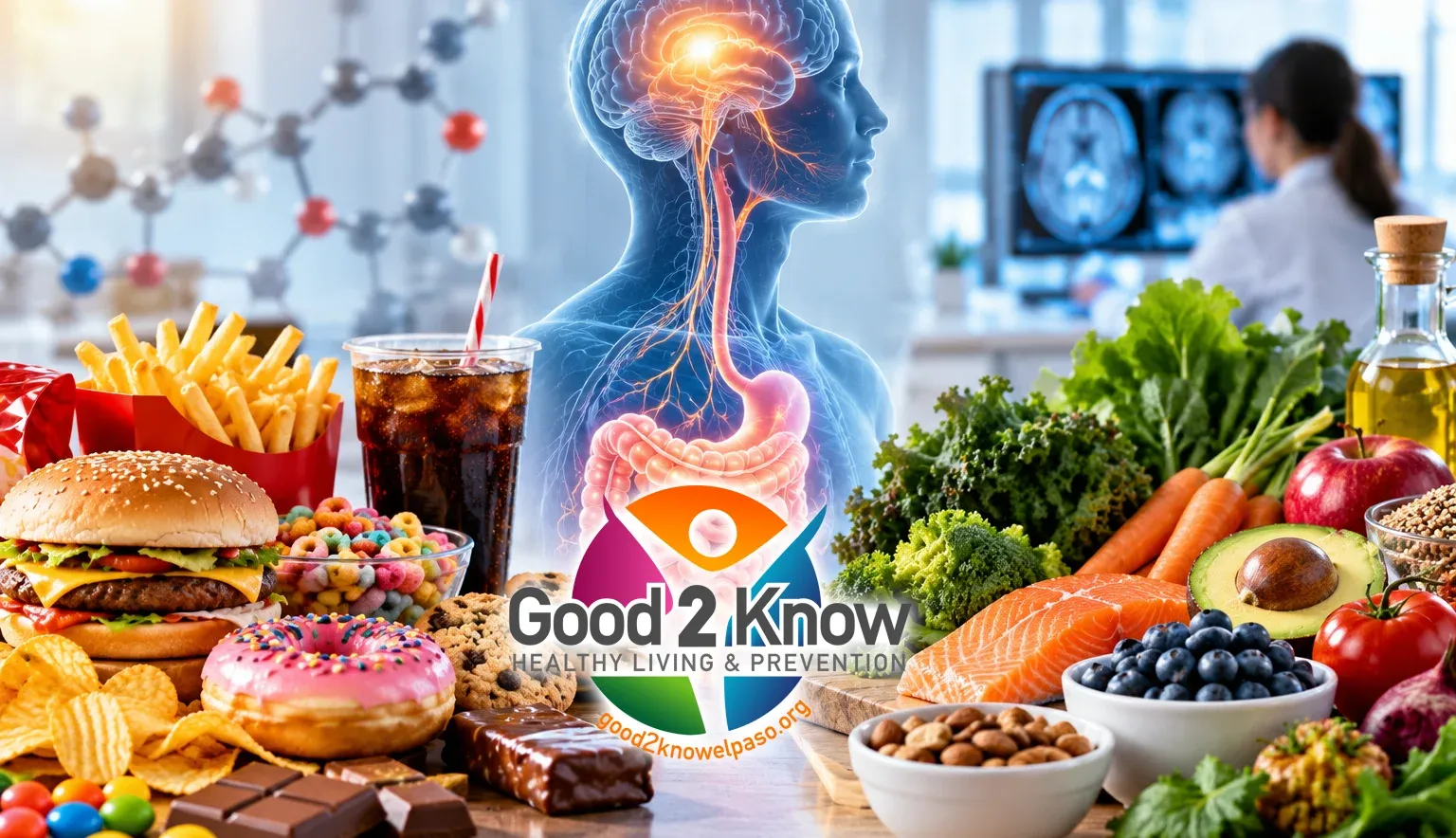
The Mediterranean diet centers on eating plenty of vegetables, fruits, legumes, and fish, along with healthy fats such as olive oil. It limits foods like dairy products, meat, and items high in saturated fatty acids.
"Our findings support the mounting evidence that a healthy diet is critical to stroke prevention," said study author Sophia S. Wang, PhD, of City of Hope Comprehensive Cancer Center in Duarte, California. "We were especially interested to see that this finding applies to hemorrhagic stroke, as few large studies have looked at this type of stroke."
Know more: https://www.sciencedaily.com/releases/2026/02/260209064310.htm