 ESP
ESPTo reduce the risk of colorectal cancer, dieticians and physicians recommend you adopt a diet high in fiber (vegetables, fruits, whole grains, legumes), calcium, and antioxidants, while limiting red and processed meats, alcohol, and sugar-sweetened beverages. A Mediterranean-style diet, rich in nuts, olive oil, and fiber, can help maintain a healthy weight and reduce inflammation.
Here are some key dietary improvements to reduce your risk of colorectal cancer:
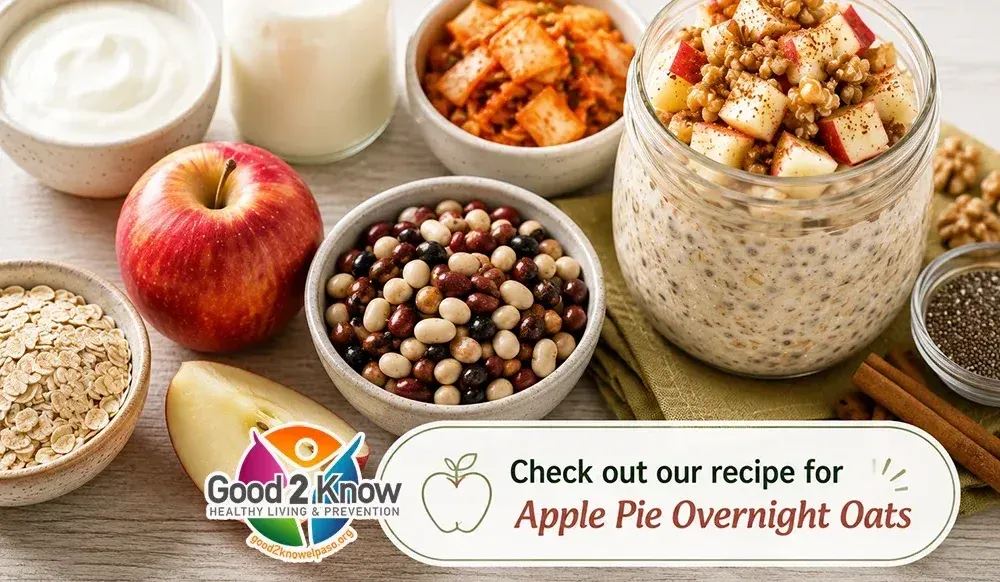
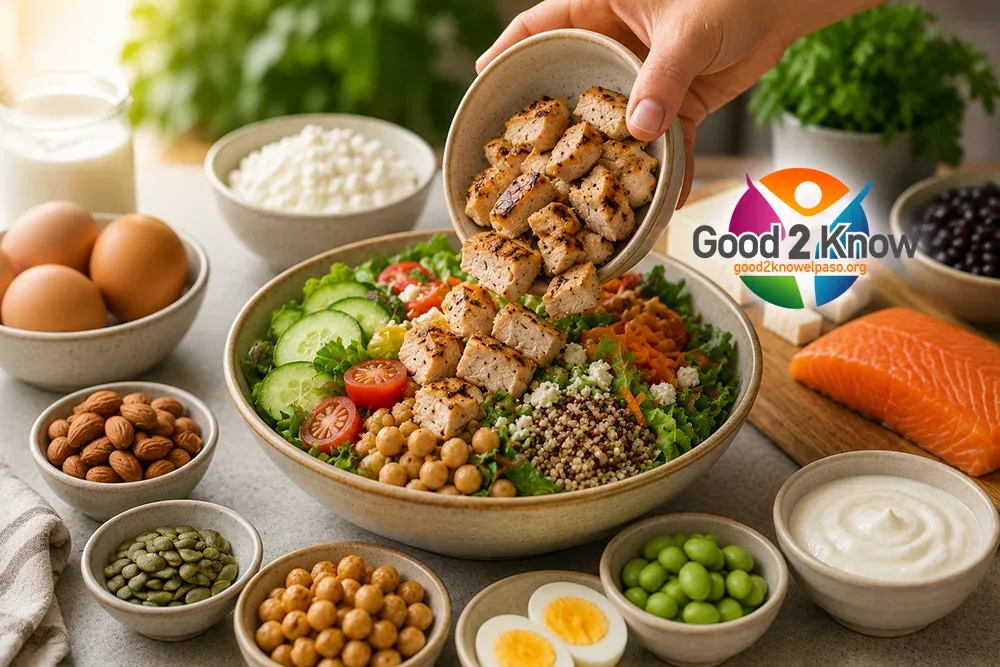
• Boost Fiber Intake: Increase consumption of plant-based foods, including whole grains (brown rice, whole wheat bread), beans, lentils, nuts, and vegetables like spinach and broccoli. High fiber helps maintain a healthy weight and aids digestion.
• Reduce Red and Processed Meats: Limit beef, pork, lamb, hot dogs, sausage, and bacon, as they are strongly linked to increased risk.
• Increase Calcium and Dairy: Consuming dairy products and foods rich in calcium can be a protective factor against colorectal cancer.
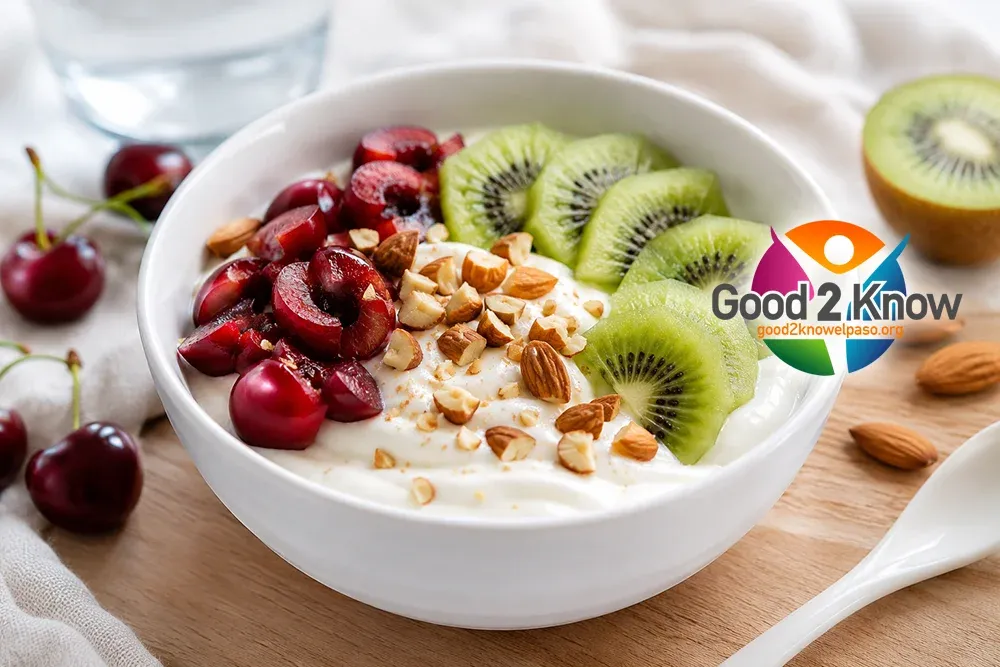
• Prioritize Antioxidants: Eat foods rich in vitamins C and E, such as berries, citrus fruits, and nuts to fight free radicals.
• Limit Alcohol and Sugar: Reduce or eliminate alcohol, as increased intake is strongly associated with higher risk. Avoid sugary drinks and excessive fruit juice.
• Stay Hydrated: Drink plenty of fluids, with water and low-fat milk being the best choices.
• Focus on Variety: Eat a rainbow of fruits and vegetables to maximize nutrient intake.
Choose Whole Foods: Get fiber from food, not supplements, to maximize cancer-preventive benefits.
• Include Fermented Foods: Incorporate yogurt, kefir, and sauerkraut, which may support a healthy gut microbiome.