 ESP
ESPIf you get irritable when you are hungry, learning that putting yourself on a diet can also deeply affect your mood may come as no surprise. The reasons are both physiological and psychological which include:
• Fluctuating Blood Sugar Levels: Drastically cutting calories or skipping meals causes blood sugar to drop, resulting in irritability, confusion, and fatigue.
• Nutrient Deficiencies: Restrictive diets often lack essential nutrients like B vitamins, magnesium, and iron, which are crucial for brain health and stable moods.
• Serotonin Reduction: Around 95% of serotonin—a neurotransmitter that regulates mood—is produced in the gut. Poor nutrition can interfere with its production.
• Increased "Fight-or-Flight" Response: Low-calorie dieting can trigger the brain's stress response, causing feelings of anxiety and unease.
• Cravings and Irritability: Removing comfort foods, particularly carbohydrates, can create irritability as the body adjusts to lower sugar levels.
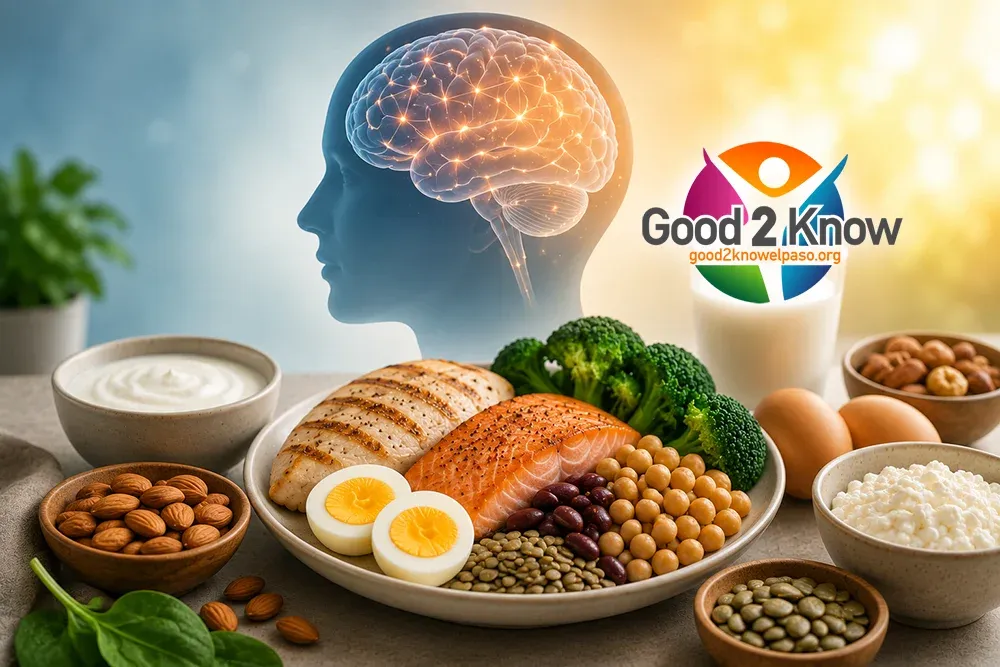
To minimize negative moods, focus on eating balanced nutrient-dense foods (nuts, seeds, vegetables) rather than drastic caloric restriction. Sustainable eating habits focus on consistent nutrition rather than restriction, helping to stabilize energy and mood while managing weight.