 ESP
ESPStudies involving nearly 2 million adults worldwide show that eating about five daily servings of fruits and vegetables—two servings of fruit and three servings of vegetables—is likely the optimal amount for a longer life, according to research published in the American Heart Association's flagship journal Circulation. One serving is generally considered to be 1 cup of raw or canned fruit, 1/2 cup of dried fruit, or 1 piece of medium whole fruit
Diets rich in fruits and vegetables help reduce the risk of numerous chronic health conditions that are leading causes of death, including cardiovascular disease and cancer. Yet, only about one in 10 adults eat enough fruits or vegetables, according to the U.S. Centers for Disease Control and Prevention.
Analysis of all studies, with a composite of more than 2 million participants, revealed:
• Intake of about five servings of fruits and vegetables daily was associated with the lowest risk of death. Eating more than five servings was not associated with additional benefit.
• Eating about two servings daily of fruits and three servings daily of vegetables was associated with the greatest longevity.
• Compared to those who consumed two servings of fruits and vegetables per day, participants who consumed five servings a day had a 13% lower risk of death from all causes; a 12% lower risk of death from cardiovascular disease, including heart disease and stroke; a 10% lower risk of death from cancer; and a 35% lower risk of death from respiratory disease, such as chronic obstructive pulmonary disease (COPD).
• Not all foods commonly considered fruits and vegetables offered the same benefits. For example, starchy vegetables such as peas and corn, fruit juices, and potatoes were not associated with reduced risk of death from all causes or specific chronic diseases.
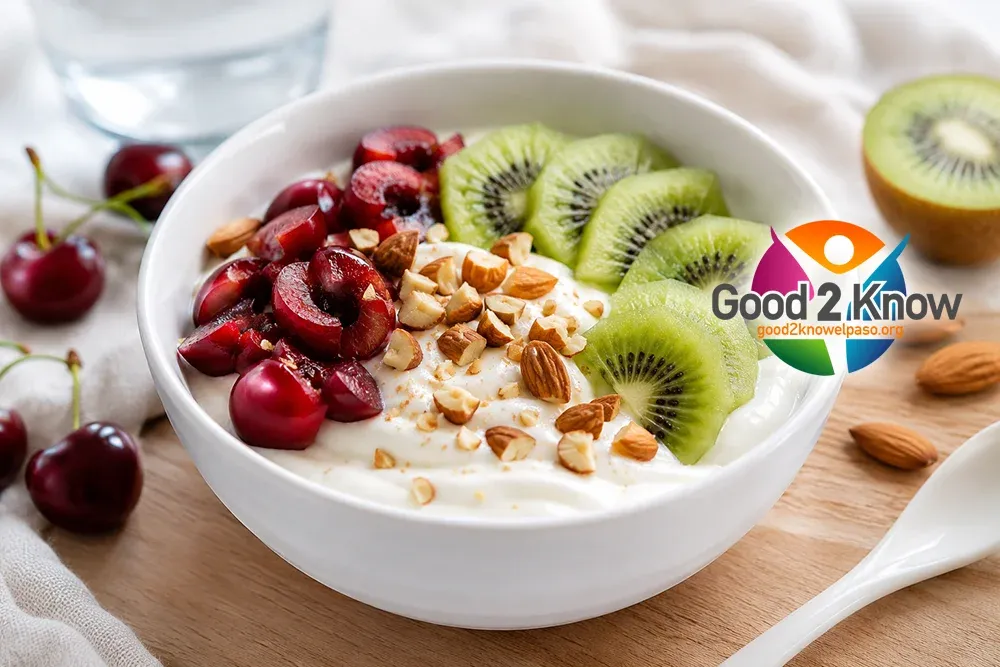
• On the other hand, green leafy vegetables, including spinach, lettuce, and kale, and fruits and vegetables rich in beta carotene and vitamin C, such as citrus fruits, berries, and carrots, showed benefits.
Know more: www.sciencedaily.com/releases/2021/03/210301084519.htm