 ESP
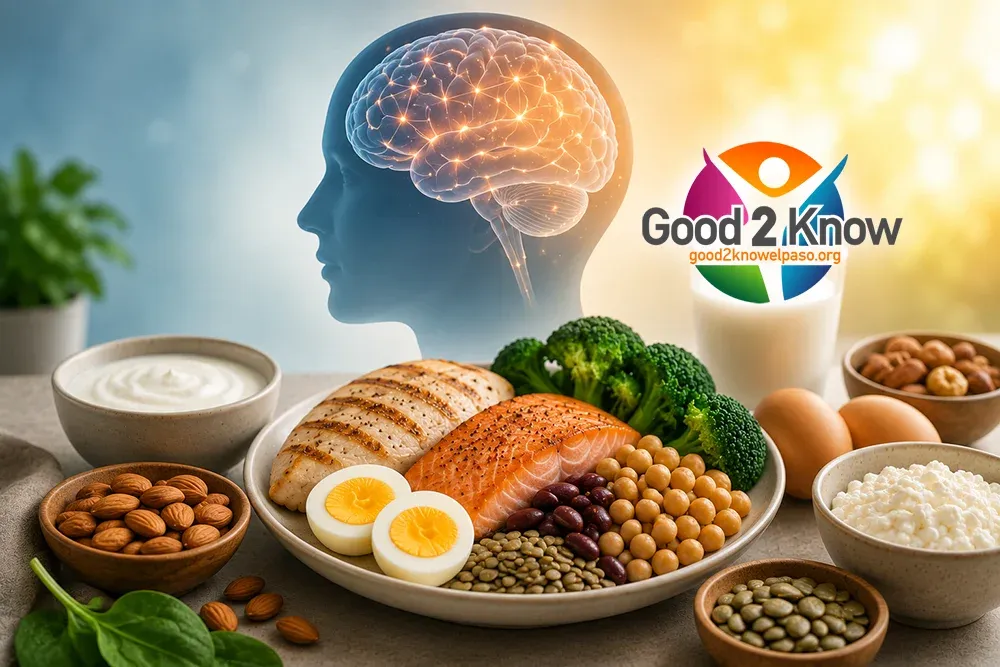
ESPOne of the primary ways proteins affect mood is through its role in synthesizing neurotransmitters. Specifically, amino acids like tryptophan, tyrosine, and phenylalanine are crucial for producing neurotransmitters that regulate mood, motivation, and stress responses.
Several studies support the idea that insufficient protein intake can affect mood. A clinical trial published in The American Journal of Clinical Nutrition found that low-protein diets were associated with a higher risk of mood disorders, including increased irritability and anxiety. The study showed that participants on low-protein diets had lower levels of serotonin and dopamine, suggesting that the deficiency in neurotransmitter precursors played a role in their emotional instability.
Additionally, a study published in The British Journal of Nutrition explored the effects of low-protein diets on children in developing countries. It found that children suffering from PEM experienced higher levels of irritability, aggression, and anxiety compared to those with adequate protein intake. This research suggests that protein deficiency, even at a young age, can have long-lasting effects on mood and emotional health.
Source: https://topdoctormagazine.com/health-nutrition/can-a-lack-of-protein-lead-to-irritability-exploring-the-consequences-of-a-protein-deficit/