 ESP
ESPHormone therapy can provide welcome relief from menopause symptoms, but it isn’t one-size-fits-all. If you still have a uterus, talk with your healthcare provider about how different types of hormone therapy may affect your uterine cancer risk.
1. TALK ABOUT HORMONE THERAPY.
If you're considering hormone therapy for menopause symptoms, talk with your healthcare provider about your uterus and your individual risks and benefits. Estrogen taken without progesterone can increase endometrial cancer risk in someone who still has a uterus.
2. DON'T ASSUME “NATURAL” MEANS RISK-FREE.
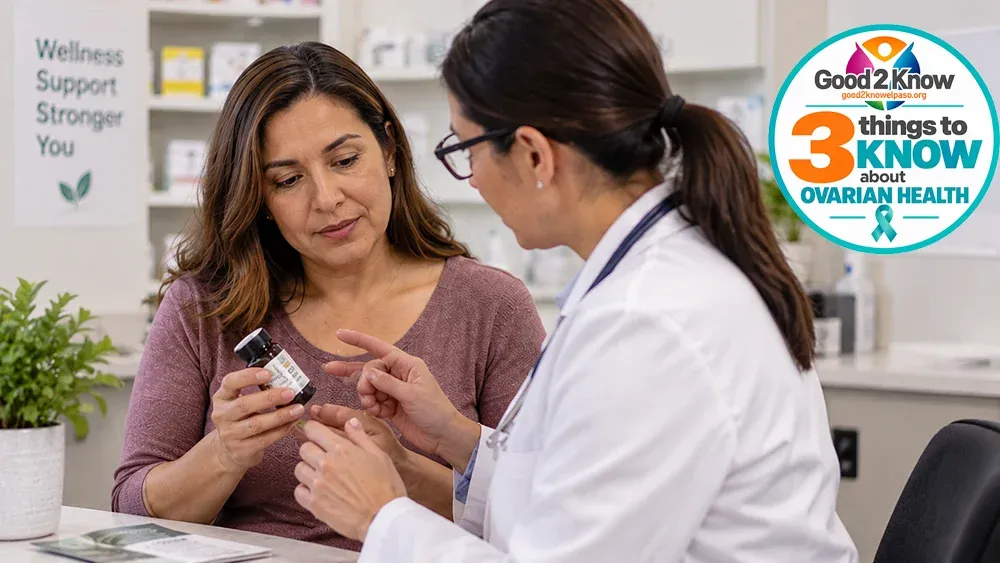
Tell your healthcare provider about herbal remedies, supplements and other complementary products you use. “Natural” isn't the same thing as proven safe or effective.
3. DON'T USE SUPPLEMENTS AS CANCER PREVENTION.
Vitamins and supplements haven't been shown to prevent endometrial cancer. Put your energy into the prevention strategies with stronger evidence—physical activity, maintaining a healthy weight and discussing your individual risk with your healthcare provider.